
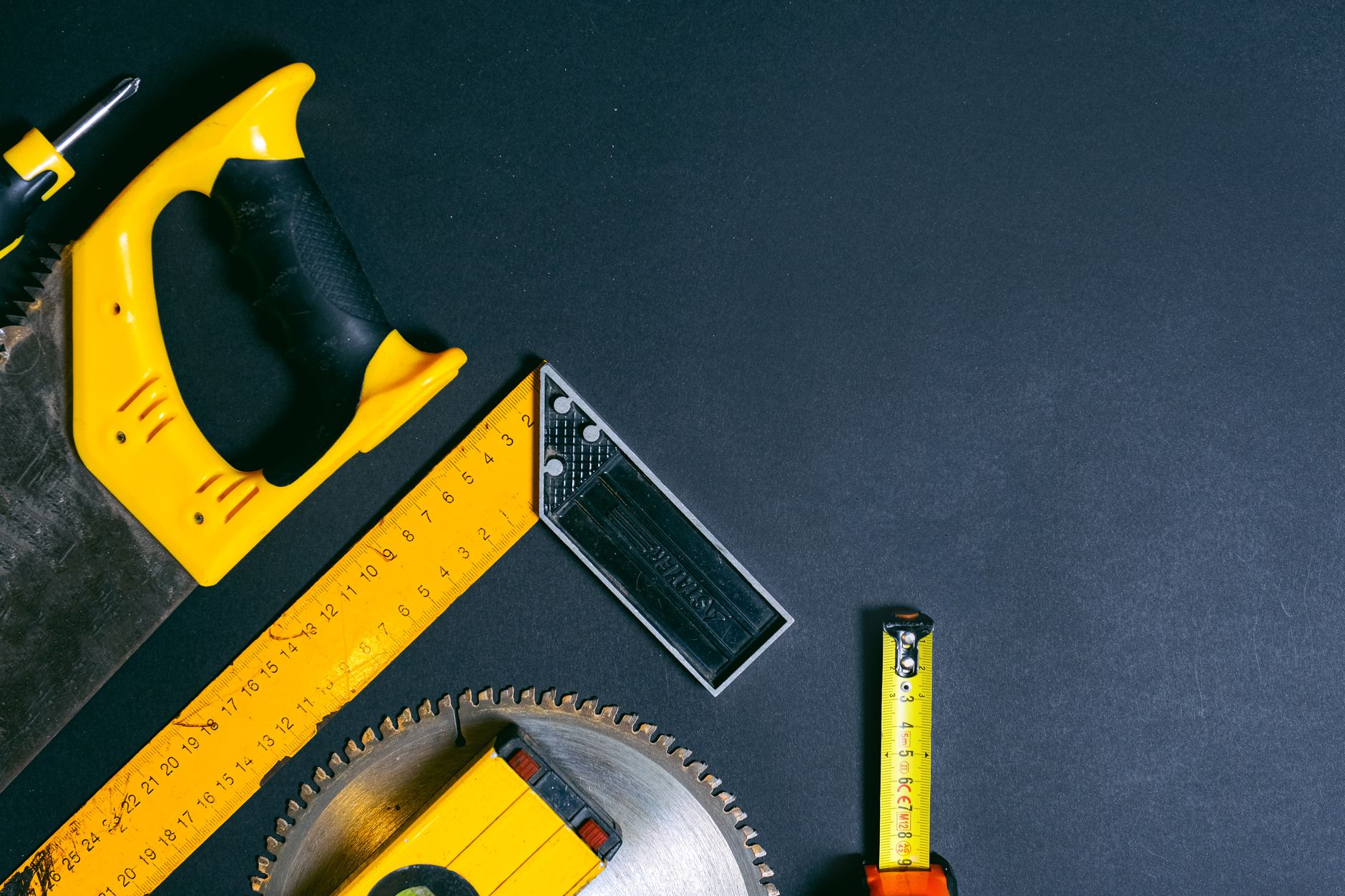
Choosing the best construction site tools directly affects a team’s productivity and the reliability of work on site. Between the long-established hand tool brands and the giants of cordless power tools, each manufacturer builds a different positioning depending on use case, environment and durability requirements. This comparison presents the brands worth knowing by specialty and the criteria that separate equipment built for intensive professional use from tools designed for occasional use.
What sets construction site tools apart from consumer tools
A tool built for a professional construction site first stands out through its ability to withstand intensive daily use without losing precision or power. Professional manufacturers put their ranges through reinforced drop, dust and moisture tests, often certified to IP protection ratings higher than consumer-grade equipment.
The other major difference lies in the battery ecosystem. Since the massive shift to cordless tools, major brands lock users into a single platform: a battery bought for a drill also works on an angle grinder, a circular saw or a site floodlight from the same brand. This ecosystem choice often weighs more heavily on the purchase decision than the spec sheet of a single tool, since it determines the compatibility of every future purchase.
Finally, the after-sales service network and parts availability matter as much as build quality: a tool out of service for several weeks for lack of a spare part costs more in lost site time than its original purchase price.
Brands worth knowing by specialty
Cordless power tools
Makita stands out for the lightness and versatility of its LXT range, one of the widest on the market in terms of references compatible on a single battery platform. DeWalt targets demanding environments with a reputation for ruggedness on public works and structural projects. Milwaukee distinguishes itself through innovation in power and battery management electronics, an advantage on sites where continuous operation matters. Bosch Professional rounds out this group with a value-for-money ratio regularly cited by buyers and one of the densest after-sales service networks in France.
Precision and heavy-duty tools
Hilti and Festool occupy a premium position, built for companies that depreciate a tool over several years of intensive use rather than a one-off purchase. Metabo and HiKOKI sit in an intermediate segment, with complete professional ranges without reaching the price point of the two premium brands.
Hand tools
For wrenches, sockets and precision hand tools, Facom remains a historic brand in France, with an extended warranty on a large part of its catalog. Stahlwille, Gedore, Beta Tools and Hazet offer a comparable positioning, useful when comparing availability and habits already established in the workshop.
| Brand | Specialty | Ideal buyer profile |
|---|---|---|
| Makita | Cordless power tools, wide range | Tradesperson or SME seeking an extensive battery platform |
| DeWalt | Ruggedness in demanding conditions | Public works, structural projects, outdoor sites |
| Milwaukee | Battery innovation and power | Teams with heavy daily usage intensity |
| Bosch Professional | Value for money, dense service network | SMEs seeking a nearby after-sales service network |
| Hilti | Premium tools, intensive use | Companies depreciating equipment over several years |
| Facom | Hand tools, wrenches and sockets | Workshops and tradespeople valuing a lifetime warranty |
Power tools or hand tools: which starting set to build
A typical building site is first equipped around a core set of power tools: a cordless drill-driver, an angle grinder and a circular saw cover most drilling, cutting and finishing work. A laser or bubble level and a professional tape measure complete this set for layout and dimensional checks.
Hand tools remain essential as a complement: a set of certified wrenches, sockets, pliers and screwdrivers cover the adjustment and assembly work that power tools do not. The brand chosen for this starting set then determines the battery and accessory ecosystem for later purchases, which is why it’s worth settling on before multiplying references.
Choosing tools based on the site’s profile
An independent tradesperson generally favors a single generalist brand such as Makita or Bosch Professional, to limit the number of chargers and batteries to carry from one site to another. An SME managing several teams in parallel benefits more from standardizing the battery ecosystem across the whole fleet, which makes it easier to share equipment between sites and simplifies consumables stock management. On a large site with intensive use and a constant availability requirement, premium brands such as Hilti or Festool offset their higher price through longer service life and dedicated professional support, often backed by a maintenance contract that includes equipment replacement in case of failure.
The volume of projects handled in a year also shapes the decision: occasional activity poorly justifies investing in a full premium range, while a company running continuously recoups a higher-end tool investment faster thanks to fewer breakdown-related stoppages. Between these two extremes, most tradespeople and small companies build their fleet by mixing a generalist brand for everyday needs with a few premium references on the most heavily used tools.
Maintenance and safety for construction site tools
Well-maintained construction tools keep their precision and reduce costly breakdowns mid-project. Cleaning after each use, especially for cutting tools exposed to dust, and regular battery checks significantly extend equipment lifespan. Compliance with the personal protective equipment that goes along with power tool use, hearing protection, eyewear and suitable gloves, remains a regulatory requirement on any professional construction site.
Equipment budget can also be approached by purchasing channel: specialized distributors and clearance platforms help reduce entry cost on certain references, a point covered in our guide on affordable professional tools. For occasional needs that don’t justify a purchase, tool rental through a national chain remains a cost-effective alternative. The personal protective equipment that goes with these tools is covered in a dedicated PPE selection guide.
Frequently asked questions
What are the best tool brands for a construction site?
Makita, Bosch Professional, DeWalt, Milwaukee and Hilti dominate recommendations for structural and finishing work. Each builds its lineup around a battery ecosystem compatible across the whole range, which often weighs more in the decision than the raw power of a single tool. Facom, Stahlwille and Gedore remain the reference for precision hand tools.
What is the equivalent of Facom among other manufacturers?
For professional hand tools, Stahlwille, Gedore, Beta Tools and Hazet hold a position comparable to Facom: certified wrenches and sockets, lifetime warranty on a large part of the catalog and a professional distribution network. The choice between these brands mostly comes down to availability in France and habits already established in the workshop.
Should a site standardize on a single battery platform?
Grouping power tools around a single battery platform avoids multiplying chargers and formats, and lets several teams share the same pool of equipment. This argument carries more weight as the number of cordless tools on a site grows, from the drill to the angle grinder to area lighting.
Which construction site tools should be equipped first when starting out?
A cordless drill-driver, an angle grinder, a laser or bubble level, a professional tape measure and a hand tool case cover most routine interventions on a building site. The brand chosen for this starting set then determines the battery and accessory ecosystem for later purchases.