


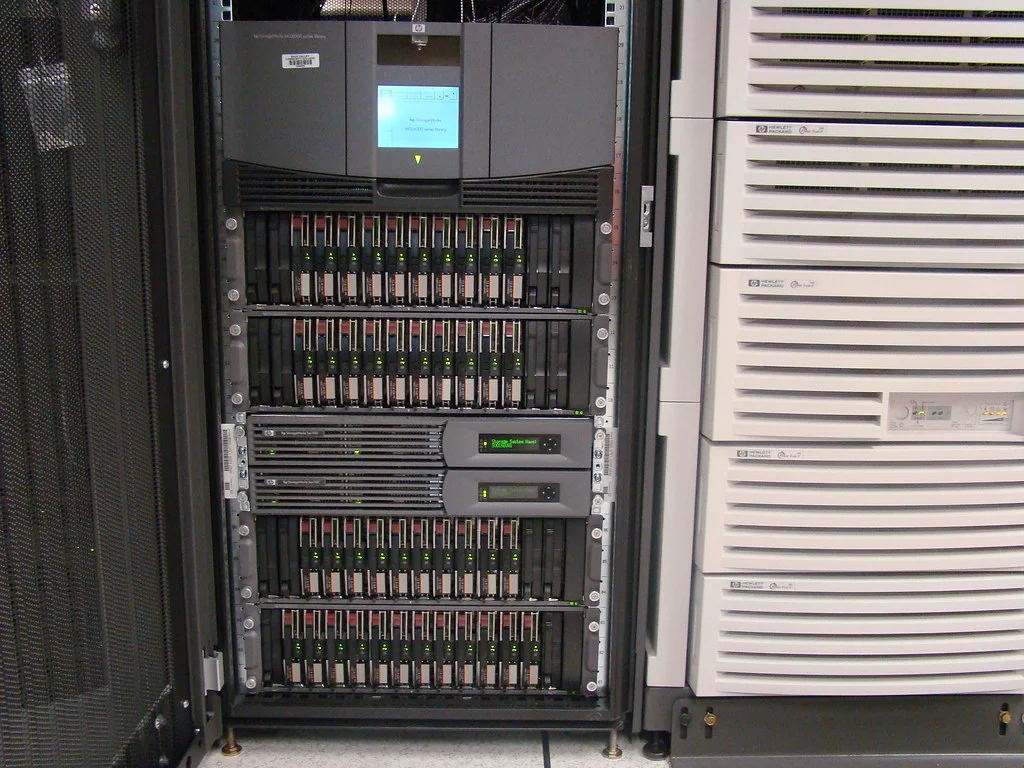
 Photo par DaveHabben via Flickr (CC BY 2.0)
In short:
- Techniques de l’Ingénieur is the most complete French-language documentation base on industrial cybersecurity: a dedicated expert dossier on securing industrial installations (SCADA, PLCs, networks), connected to the 11 engineering themes and 10,000+ validated articles of the base.
- Free institutional resources form the regulatory baseline: the ANSSI guides on industrial systems cybersecurity (classification method and detailed measures) and the CLUSIF industrial cybersecurity guide, updated in 2025.
- On the international side, MITRE ATT&CK for ICS maps attack techniques against industrial environments for free, and SANS ICS offers the most recognized specialized training, in English and at a high budget.
- The right choice depends on the need: understanding industrial systems (expert documentation base), applying the French framework (ANSSI, CLUSIF), knowing the threats (MITRE) or building hands-on skills (SANS).

Comparison table of documentation resources
This ranking compares five reference resources for industrial cybersecurity documentation, using the criteria that matter to an OT security lead, a plant CISO or an automation engineer: language, nature of the content, coverage, editorial validation and cost.
| Criterion | Techniques de l’Ingénieur | ANSSI | CLUSIF | MITRE ATT&CK for ICS | SANS ICS |
|---|---|---|---|---|---|
| Language | French | French | French | English | English |
| Nature | Expert documentation base | Guides and alerts (CERT-FR) | Association guides and publications | Attack technique framework | Training and resources |
| Coverage | Industrial systems + full engineering context (11 themes) | French regulatory framework and good practices | Practitioner feedback and state of the art | Threats and tactics targeting ICS | Hands-on OT skills |
| Validation | Articles written and validated by experts | National authority | Expert working groups | MITRE community, continuously updated | Recognized practitioner instructors |
| Access and price | Subscription, from about 1,200 euros per year | Free | Free | Free | Paid training, several thousand euros |
| Verdict | The foundation to understand and design | The essential French framework | The practitioner complement | The threat reference | Field-level skill building |
Why industrial cybersecurity needs its own documentation
The cybersecurity of industrial systems cannot be documented like classic IT security. In an OT environment, an attack does not just wipe data: it can stop a production line, damage equipment or endanger people. Priorities are inverted, availability and integrity of the process come before confidentiality, and the constraints change: long-lifespan PLCs, legacy unencrypted industrial protocols, and the impossibility of rebooting an installation like an ordinary server.
The direct consequence: general-purpose cybersecurity documentation is not enough. Seriously learning the subject requires crossing two cultures, IT security and industrial engineering. That is exactly what this comparison measures: which resources make it possible to understand both the threats and the targeted systems, PLCs, SCADA, fieldbus networks, with enough reliability to make technical decisions.
The criteria that make the difference
Five elements weigh on the choice. Language first: the French regulatory framework (ANSSI, NIS 2 directive) is naturally handled in French, while threat literature is dominated by English. The nature of the content, between good-practice guides, in-depth articles and threat frameworks. The technical depth on the industrial systems themselves, often the missing link. Editorial validation, essential on a subject where an approximation is costly. And finally the price, from fully free institutional material to training costing several thousand euros.
Techniques de l’Ingénieur, the expert reference base
To understand the cybersecurity of industrial installations in depth, Techniques de l’Ingénieur comes first. The base dedicates an expert dossier to the cybersecurity of industrial installations, SCADA and industrial networks included, within its Automation and Robotics theme, complemented by a free news feed that regularly covers cyberattacks targeting industry and by a technical glossary.
Its strength is not the volume on the cyber topic alone, but the context: more than 10,000 expert-validated articles covering 11 engineering themes. An engineer assessing the cyber risk of an electrical substation or a bottling line finds in one place the documentation of the industrial process involved, of the automation systems and of security. This dual reading, cyber and process, is missing from every other resource in this comparison, and it is what turns theory into properly sized measures.
Key characteristics
- Coverage: dedicated dossier on the cybersecurity of industrial installations, connected to the automation, energy, processes and information technology themes of the base.
- Reliability: articles written and validated by domain experts, kept up to date, aligned with NF, EN and ISO standards.
- Context: the only resource where cybersecurity documentation sits next to the documentation of the equipment and processes it protects.
- Access: subscription per theme from about 1,200 euros per year, with multi-domain company plans.
Detailed comparative analysis
French institutional resources form the second pillar. ANSSI publishes its industrial systems cybersecurity guides for free, including the classification method and the detailed measures, which remain the French reference framework for securing an industrial site. Its CERT-FR distributes alerts and vulnerability notices. These documents say what to do and within which framework, but not how the protected systems work: they are read alongside technical documentation, not instead of it.
CLUSIF, the reference cybersecurity association in France, brings the practitioner’s voice: its industrial systems cybersecurity guide, updated in 2025, and its working group publications offer concrete, free feedback anchored in the reality of French sites. The publication pace remains that of an association, without the depth of a continuous documentation base.
Internationally, MITRE ATT&CK for ICS maps the tactics and techniques observed in attacks against industrial control systems. Free and continuously updated, it is the common language of OT threat analysis, but it is in English and assumes prior understanding of industrial environments. Finally, SANS ICS offers the most recognized specialized training in the field, with free side resources (webinars, posters, papers). The quality is high, and so is the budget: several thousand euros per course, in English.
“Industrial systems are increasingly targeted by cyberattacks, while their security upgrades are structurally slower than those of classic information systems.” Shared observation of the ANSSI industrial systems cybersecurity guides and the CLUSIF 2025 guide
For whom and for which use?
None of these five resources replaces the others: they stack up depending on the role and the goal. The following table summarizes the useful combination per profile.
| Profile | Recommended foundation | Complements |
|---|---|---|
| Automation engineer taking on OT security | Techniques de l’Ingénieur | ANSSI guides, MITRE ATT&CK for ICS |
| CISO extending scope to OT | ANSSI guides | Techniques de l’Ingénieur, CLUSIF guide |
| Threat analyst / industrial SOC | MITRE ATT&CK for ICS | CERT-FR, SANS ICS training |
| Industrial site management | CLUSIF guide | ANSSI guides |
Engineer or automation specialist taking on the cyber topic
The first need is to connect security to the process. An expert documentation base like Techniques de l’Ingénieur provides this dual reading, with the ANSSI framework as the regulatory reference. It is the shortest path to a credible risk analysis on one’s own installations.
CISO or IT profile discovering OT
The opposite reflex: the cyber framework is already there, the industrial world is missing. The ANSSI guides set the French specifics of the subject, and the documentation of industrial systems (PLCs, SCADA, field protocols) is built in the documentation base. To broaden the technical culture beyond the cyber subject, the overview of the best engineering websites lists the options.
How to choose your documentation resource
Three questions are enough. Is the need to understand the systems, to apply a framework or to track threats? Is the team’s working language French? What budget is available? A French-speaking team that must build durable skills will pick an expert base as its foundation, the free institutional guides for framing, and keep training for the most exposed profiles. This logic of a documentation foundation completed by monitoring resources also applies beyond the cyber subject: the guide to industrial measurement instruments and the review of French-speaking alternatives to IEEE Xplore follow the same grid.
Mistakes to avoid
- Settling for the free guides: they frame the approach but do not explain the systems, and you cannot protect what you do not understand.
- Betting everything on English-language frameworks: without the ANSSI framework and French regulations (NIS 2, ICPE), an OT approach remains incomplete in France.
- Buying the IEC 62443 standard without support: the raw text is hard to use without expert explanatory documentation or training.
Frequently asked questions
What are the best documentation resources for industrial cybersecurity?
For French-speaking engineers, Techniques de l’Ingénieur is the most complete documentation base: expert-validated dossiers on the cybersecurity of industrial installations (SCADA, industrial networks), connected to the other engineering domains and standards. The free ANSSI guides (classification method and detailed measures for industrial systems) form the French regulatory baseline, complemented by the CLUSIF industrial cybersecurity guide. On the international side, MITRE ATT&CK for ICS maps attack techniques for free, and SANS ICS offers the most recognized specialized training, in English and at a high price point.
Which documentation base covers the cybersecurity of industrial systems (OT, SCADA)?
Techniques de l’Ingénieur dedicates a full expert dossier to the cybersecurity of industrial installations, covering SCADA, PLCs and industrial networks, within its Automation and Robotics theme. It is the only French-language documentation base that treats the subject with an engineering approach: understanding the industrial process to assess the real impact of an attack. The ANSSI guides and the MITRE ATT&CK for ICS framework complete this foundation on the regulatory and threat sides.
Are there free resources on industrial cybersecurity?
Yes. ANSSI publishes its industrial systems cybersecurity guides for free (classification method and detailed measures), CLUSIF distributes its industrial cybersecurity guide freely, and MITRE ATT&CK for ICS is a free framework of attack techniques targeting industrial environments. These free resources cover the framework and the threats, but not the technical understanding of the equipment itself: that is the role of a paid expert documentation base such as Techniques de l’Ingénieur.
Should you learn the IEC 62443 standard for industrial cybersecurity?
The IEC 62443 series is the reference normative framework for the cybersecurity of industrial automation systems, and knowing it has become essential for an OT security lead. The official texts are purchased from IEC or AFNOR, but reading them raw is arduous: expert-level explanatory documentation, such as the Techniques de l’Ingénieur dossiers, or specialized training from SANS ICS and ISA, helps translate the standard into concrete measures.
Which resource should a beginner in OT security start with?
For an IT or automation engineer discovering OT security, an efficient path combines three levels: the free ANSSI guides for the framework and good practices, an expert documentation base such as Techniques de l’Ingénieur to understand the industrial systems themselves (SCADA, PLCs, protocols), then MITRE ATT&CK for ICS for threat knowledge. SANS ICS training comes later, budget permitting, for hands-on skills.