


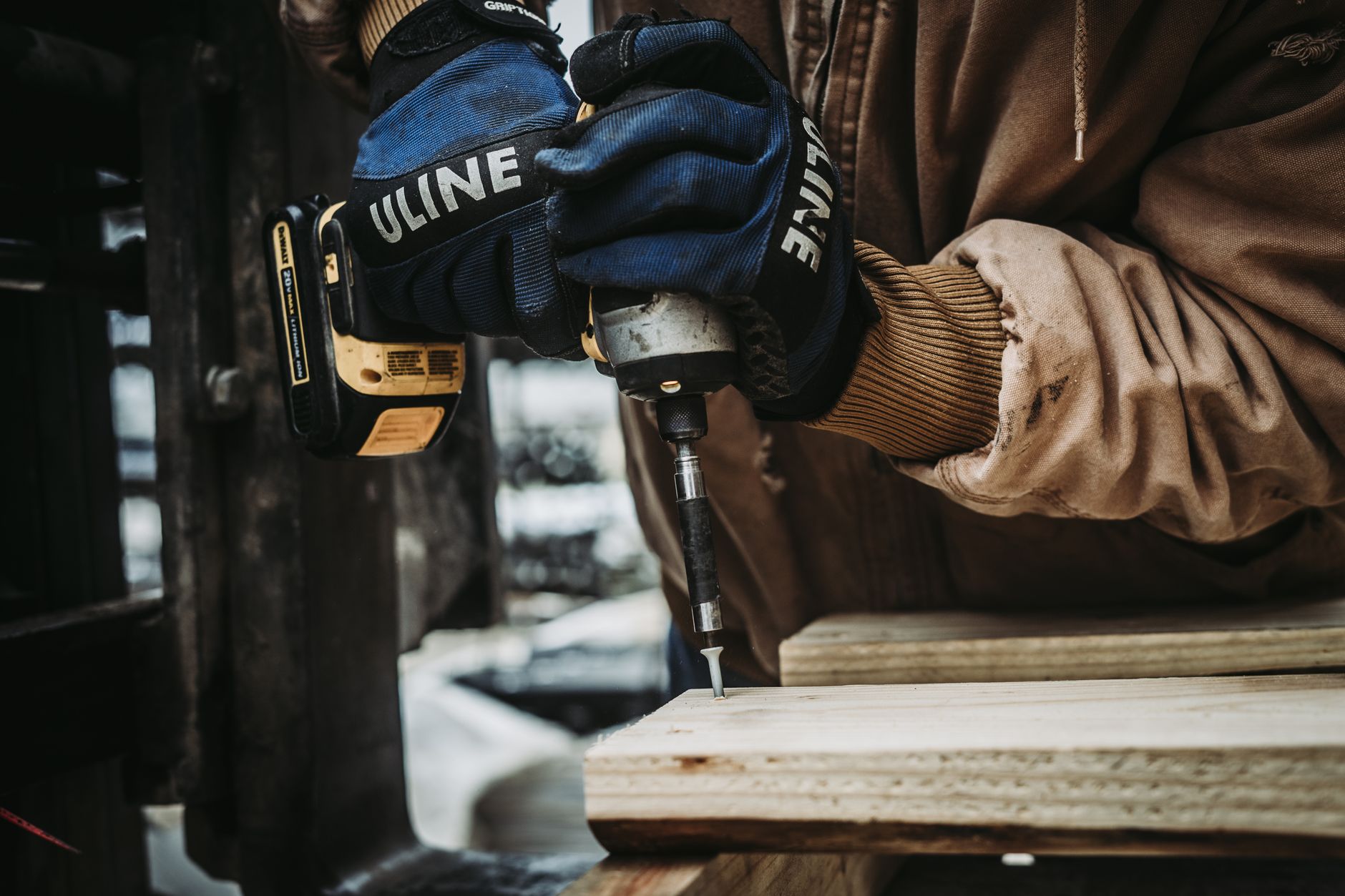
 Photo par Kiefer Likens via Pexels
Tool rental lets tradespeople, site managers and industrial buyers access capable equipment without tying up cash in a purchase. Drills, angle grinders, pressure washers or generators: most construction tools are now rented by the day, week or month, from specialized networks or equipped individuals. This guide covers typical prices, the types of equipment available, and the criteria for choosing the right option.
What Is Professional Tool Rental?
Renting equipment means using a tool for a defined period, in exchange for a fee and a deposit, without owning it. This approach fits a one-off or recurring need: a time-limited job, a spike in activity, or a specialized tool too costly to justify for occasional use. The benefit comes down to three points: no capital tied up, no maintenance or storage to manage, and access to recent, well-serviced equipment.
How Much Does Tool Rental Cost in France?
The price depends on three factors: the tool category, the chosen duration and the network used. Nearly all rental companies apply a degressive scale, with the weekly rate coming in well below seven times the daily rate. A deposit held via bank authorization, and sometimes optional breakage or theft insurance, complete the bill.
| Equipment category | Indicative daily rate | Indicative weekly rate |
|---|---|---|
| Drill, screwdriver, angle grinder | 15 to 30 euros | 50 to 90 euros |
| Heat gun, sander | 20 to 40 euros | 70 to 120 euros |
| Pressure washer | 30 to 50 euros | 100 to 180 euros |
| Generator | 40 to 80 euros | 150 to 300 euros |
| Mini excavator, aerial platform | 150 to 300 euros | 600 to 1,200 euros |
These ranges stay indicative and vary with the model’s power, the region and each network’s commercial policy. A company managing several sites should compare two or three quotes before committing to a long rental period.
What Types of Equipment Can You Rent?
The catalogs of major networks now cover almost every trade: cutting and drilling tools, floor and wall sanding equipment, welding gear, measuring instruments, and site cleaning or vacuum equipment. Two families stand out. Power tools (drills, grinders, saws) rent easily from a local branch or a DIY store, for occasional use. Heavy site equipment (mini excavators, compactors, aerial platforms, generators) falls more under specialized networks, with on-site delivery, since its use often requires specific training.
Peer-to-Peer Rental or a Professional Network?
Two models coexist. Peer-to-peer platforms, with Bricolib as the reference, connect tool owners with nearby borrowers, at rates often lower than a branch’s, but without a uniform guarantee of availability. Conversely, professional networks such as Loxam and Kiloutou operate a maintained fleet, with near-immediate availability and insurance built into the contract, an advantage once the schedule cannot tolerate any delay. Before renting heavy equipment, it remains essential to check that operators are equipped with personal protective equipment suited to the machine used.
How to Choose the Right Rental Provider for Your Needs?
Four criteria help decide: the branch’s proximity to the job site, which affects delivery and return times; the actual duration of use, which points toward a daily, weekly rate or a framework contract beyond two to three cumulative weeks per year; the deposit amount and insurance excess, which vary significantly between networks; and the immediate availability of the requested model, decisive for sites with tight deadlines.
Renting or Buying Your Tools: What Should a Business Choose?
How often the tool gets used remains the most reliable criterion. A tool used occasionally stays more cost-effective to rent, with no maintenance or storage to plan for. Conversely, a tool used daily generally crosses a profitability threshold for purchase after two to three years of intensive use, as detailed in our guide on affordable professional tools. Companies managing a mixed fleet benefit from tracking their equipment with inventory management software that can trace availability and return dates for each tool across multiple sites.
Frequently Asked Questions
What is the average price for renting a professional tool?
The price depends on the tool category and the rental duration. A power tool such as a drill or an angle grinder typically rents for 15 to 30 euros a day, and 50 to 90 euros a week. The weekly rate is almost always cheaper than seven times the daily rate, since most rental companies apply a degressive scale.
Can an individual rent professional equipment?
Yes, most rental networks open their catalogs to individuals, usually requiring an ID and often a higher deposit than for a business account. Peer-to-peer platforms such as Bricolib also let you borrow a tool directly from an equipped neighbor.
What is the difference between renting from Loxam, Kiloutou or a peer-to-peer platform?
Loxam and Kiloutou operate a nationwide network of branches with a maintained fleet, near-immediate availability and insurance built into the contract, which suits sites with tight deadlines. Peer-to-peer platforms such as Bricolib offer lower rates but without a uniform guarantee of availability or standardized maintenance.
What are the steps to rent a tool?
The booking is made online or in-branch by specifying the model, duration and pickup dates. The customer provides an ID and pays a deposit, then collects the tool with its manual before returning it cleaned on the agreed date to avoid penalty fees.
Where can you find tools to rent near a job site?
National networks such as Loxam and Kiloutou have branches in most industrial and commercial areas, easy to find through their online locator. Large DIY stores also offer rental services for common tools, and peer-to-peer platforms help out when no branch is nearby.